

The Allure of Gambling
The excitement surrounding casino games can be attributed to a variety of psychological factors. One primary aspect is the thrill of risk. Many players are attracted to the potential for significant financial gain, which heightens the stakes and increases the adrenaline rush. This sensation of risk is often what compels individuals to place bets, as the uncertainty of outcomes can be incredibly stimulating. Additionally, it is essential to explore online betting sites that cater to various interests, including sports and gaming.
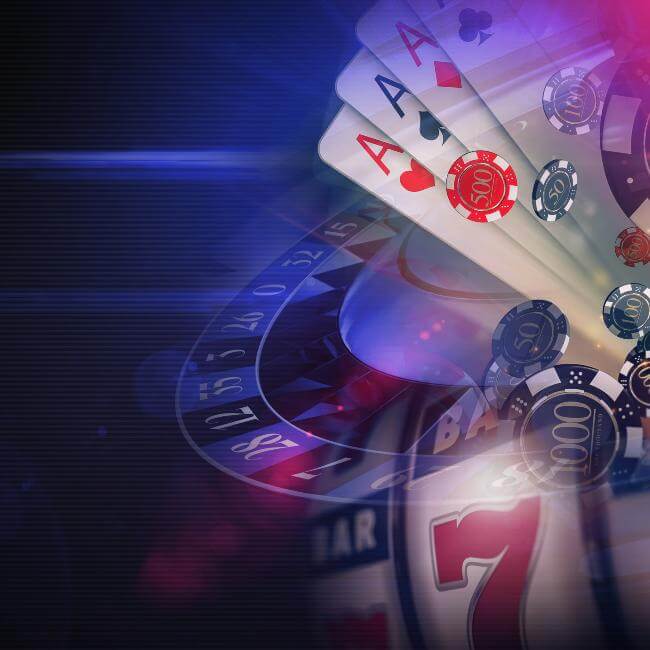
Moreover, the environment of a casino plays a crucial role in amplifying this allure. Bright lights, vibrant colors, and enticing sounds create an immersive atmosphere that captivates players. This sensory overload can activate the brain’s reward system, encouraging players to continue engaging with the games despite potential losses, thus reinforcing the behavior of returning to the casino.
The Role of Cognitive Biases
Cognitive biases significantly influence decision-making in gambling. One prevalent bias is the illusion of control, where players believe they can influence outcomes in games of chance through skill or strategy. This misconception can lead individuals to engage more frequently in gambling, as they feel empowered by the false belief that they can sway the odds in their favor.
Another common bias is the gambler’s fallacy, where individuals think that past events will influence future outcomes. For example, a player might believe that a slot machine is “due” for a payout after a series of losses. Such cognitive distortions keep players invested in the game, fueling their desire to continue playing, even when the logic suggests otherwise.
Emotional Engagement in Gameplay
Emotions play a significant role in the success of casino games. The initial excitement of placing a bet can lead to a surge of positive feelings, creating a euphoric rush, especially when a win occurs. This emotional high can be addictive, encouraging players to chase that feeling by engaging in more gambling.
On the flip side, the experience of losing can evoke a range of negative emotions, such as frustration and disappointment. However, many players are driven by the hope of recovering their losses, which can lead to a cycle of continued play. This emotional rollercoaster is a key aspect of why casino games are so compelling for many individuals.
Marketing Strategies and Game Design
Casino operators implement various marketing strategies and game designs that cater to psychological tendencies. The design of games often includes features such as near-misses, where players come close to winning but ultimately lose. These experiences can create a sense of hope, leading players to believe that victory is within reach, deterring them from quitting.
Additionally, loyalty programs and promotions are designed to enhance player engagement. By offering rewards for continued play, casinos tap into the psychology of reciprocity, encouraging players to return, as they feel they are getting personalized value in return for their patronage.

Exploring 2080baseball.com
While this article focuses on understanding the psychology behind casino games, it is worth noting that there are various platforms dedicated to different interests, such as baseball. 2080baseball.com serves as an engaging resource for baseball enthusiasts, offering quality content and resources about the sport.
Users may sometimes encounter access restrictions on the site, implemented for security reasons. However, visitors are encouraged to seek assistance to resolve these issues, ensuring a safe and enjoyable experience while engaging with their favorite sport.


